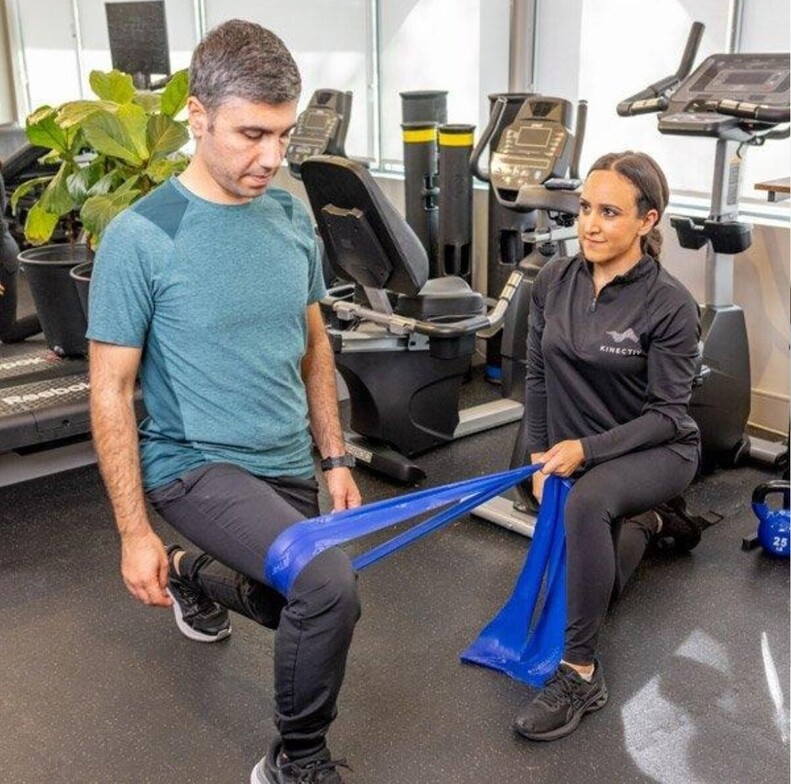
Clayton Heights Sports & Therapy Center provides information and services for Surrey residents interested in kinesiology and how movement-based assessment and training can support athletic performance. Kinesiology focuses on understanding how the body moves during physical activity. Through structured evaluation of strength, mobility, and coordination, kinesiology sessions can help athletes refine movement efficiency, maintain physical conditioning, and support injury management strategies.Athletes in activities such as running, field sports, and recreational fitness often benefit from structured movement analysis. When integrated into rehabilitation or training plans, kinesiology can help individuals maintain consistent performance while addressing physical limitations that may develop over time.
In What Ways Does Kinesiology in Surrey Improve Movement Patterns for Runners?
Running requires coordinated interaction between multiple muscle groups, joints, and stabilizing structures. Even small inefficiencies in movement patterns can lead to excessive strain on certain areas of the body.Programs associated with kinesiology often include assessment methods that evaluate posture, stride mechanics, and muscular activation patterns. These assessments help identify areas where movement adjustments may support improved efficiency.Key movement factors that may be evaluated are as follows:Stride alignment: Observing how the foot contacts the ground and how the body maintains balance during each step.Hip and core stability: Evaluating muscle engagement that helps maintain consistent posture while running.Joint mobility: Assessing the range of motion in the ankles, knees, and hips that supports efficient movement.Muscle coordination: Reviewing how different muscle groups work together during repeated running cycles.
Can Kinesiology Reduce the Risk of Injury When Added to a Physiotherapy Plan?
Athletes frequently incorporate physiotherapy to address injuries or manage physical discomfort resulting from repetitive activity. When kinesiology is included alongside physiotherapy, the focus often expands from treatment to movement conditioning and prevention.In kinesiology surrey programs, professionals may monitor how the body responds to exercise during recovery. This approach allows individuals to rebuild strength gradually while maintaining proper movement patterns.Common components that support injury risk management are as follows:Targeted strengthening exercises: Strengthening muscles that stabilize joints during athletic activity.Movement retraining: Practicing controlled movements that reinforce proper technique.Gradual activity progression: Increasing exercise intensity over time to allow tissues to adapt safely.Functional conditioning: Exercises that replicate real sports movements to support return-to-activity readiness.When kinesiology is combined with physiotherapy guidance, athletes may develop a clearer understanding of how their bodies respond to physical stress. This structured progression supports safer participation in sports and recreational activities.
Supporting Consistent Athletic Development
Kinesiology sessions focus on movement assessment, strength development, and coordination training that can support long-term athletic participation. By addressing movement mechanics and conditioning strategies, athletes can continue their activities with structured guidance that supports both performance and injury management.Contact our team today to book a kinesiology session in Surrey and receive structured support for movement training, athletic conditioning, and injury management.